Must-Have Tools for Every Home Repair Project
Home repair projects often require a thoughtful approach to tool selection. The right tools can make tasks more manageable, but no single tool works for every situation. Understanding the purpose and limitations of each tool is an important step in any repair process. This article outlines several categories of tools commonly used for home repairs, focusing on their functions and how they fit into typical workflows.
Before starting any project, it is useful to assess the specific tasks involved. Some repairs may only need basic hand tools, while others might benefit from power tools for efficiency. The choice of tools depends on the materials, the complexity of the repair, and the experience level of the person performing the work. This overview provides a neutral look at some frequently recommended tools and their roles in home maintenance.
It is also worth noting that tool quality varies, and factors such as build materials, ergonomics, and warranty can influence long-term usability. Brands like HandyFix offer a range of options that cater to different needs, but the most important factor is selecting a tool that fits the intended task and the user’s comfort.
Hand Tools for Basic Repairs
Hand tools remain a foundation of many home repair projects. They do not require batteries or electrical outlets, making them accessible for quick tasks and tight spaces. Among the most commonly used hand tools are hammers, utility knives, screwdrivers, and pliers. Each serves a distinct purpose and comes in various designs tailored to specific jobs.
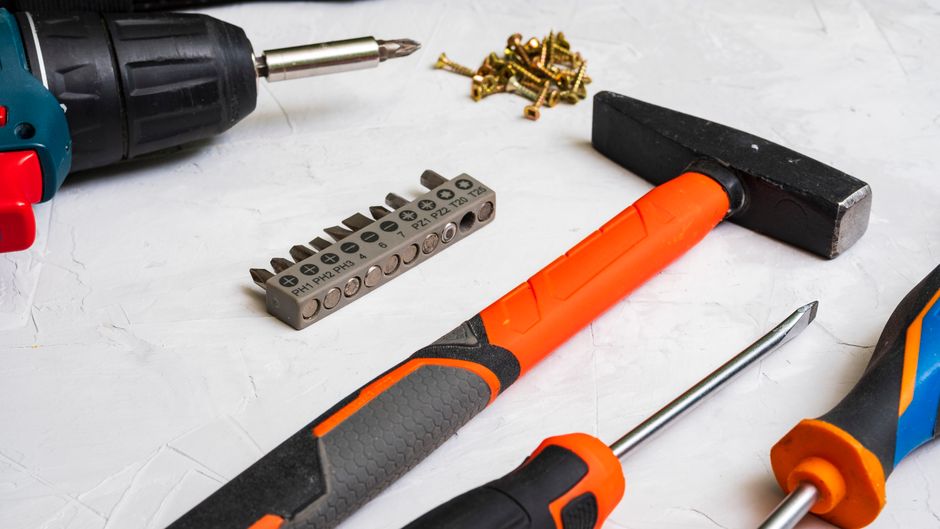
A hammer is frequently employed for driving nails, fitting joints, or removing fasteners. The weight and handle material can affect control and fatigue during prolonged use. Claw hammers are popular for general work, while framing hammers offer additional weight for heavy-duty tasks. When selecting a hammer, considering the balance and grip can help reduce strain over time.
Utility knives are another versatile hand tool. They are used for cutting drywall, opening boxes, trimming carpet, or scoring materials. Many models feature retractable blades and ergonomic handles. The blade type—such as hook, curved, or straight—determines the cutting application. Regularly replacing blades is a common practice to maintain clean cuts and reduce the force needed.
Screwdrivers and pliers round out a basic hand tool set. Screwdrivers come in flathead and Phillips varieties, with multiple sizes to match screw heads. Pliers, including slip‑joint and locking types, provide grip for turning, bending, or holding objects. Having a selection of these tools allows for a wide range of repairs without relying on power equipment.
Power Tools: The Drill and Beyond
Power tools can speed up repetitive tasks and handle materials that hand tools cannot. The drill is often considered one of the most versatile power tools for home repairs. Cordless drills offer portability, while corded models provide consistent torque for heavy drilling or driving. The choice between them depends on the availability of power sources and the duration of use.
Drill features such as variable speed control, clutch settings, and chuck type influence their suitability for different materials. For example, driving screws into wood requires a different torque setting than drilling into masonry. Using the correct bit type—twist, spade, or masonry—also affects the outcome. Many drills come with a hammer function for light masonry work, though dedicated hammer drills may be needed for more extensive concrete repairs.
Beyond drills, other power tools can be useful for specific home repair projects. Circular saws provide straight cuts in lumber, while jigsaws handle curved cuts in various materials. Orbital sanders smooth surfaces before painting or finishing. Each tool has a learning curve, and reading the manufacturer’s instructions is a recommended step before use. Safety features like blade guards and trigger locks help reduce accidental activation.
Measuring and Layout Tools
Accurate measurement is critical for many home repairs, and having reliable measuring tools contributes to proper fit and alignment. The tape measure is a staple for measuring distances, heights, and widths. Standard tape measures come in lengths from 12 to 35 feet, with markings for inches, fractions, and sometimes metric units. A lock mechanism holds the tape in place for single‑handed use.
Levels are another important layout tool. They indicate whether a surface is horizontal (level) or vertical (plumb). Torpedo levels are compact for tight spaces, while box levels are longer and provide greater accuracy over longer distances. Some levels include magnetic strips for attaching to metal surfaces, which can be helpful when installing shelving or piping.
Squares, such as combination squares or speed squares, assist in marking right angles and checking corners. They are frequently used in carpentry for framing, cutting, and layout work. Combining a tape measure, level, and square gives a basic layout kit that supports a wide variety of projects, from hanging pictures to building frames.
Cutting and Shaping Tools
Cutting tools go beyond utility knives and include saws designed for different materials. Hand saws are useful for cutting wood, plastic, or drywall when a power saw is not available or when precision is needed. Pull saws, coping saws, and hacksaws each have specific applications. Hacksaws, for example, are often used for cutting metal pipes or bolts.
For repetitive cuts, miter boxes or guides can help maintain consistent angles. When using any saw, selecting the correct tooth count and blade orientation affects the cut quality and the effort required. Finer teeth produce smoother finishes, while coarser teeth cut faster but with rougher edges.
Shaping tools like files, rasps, and sandpaper are used to smooth edges or refine cuts. They are especially helpful after sawing or drilling to remove burrs or splinters. Small shaping tasks often require patience and gradual material removal to avoid over‑shaping. Using a clamp or vise to hold the workpiece steady is a common practice.
Safety and Preparation
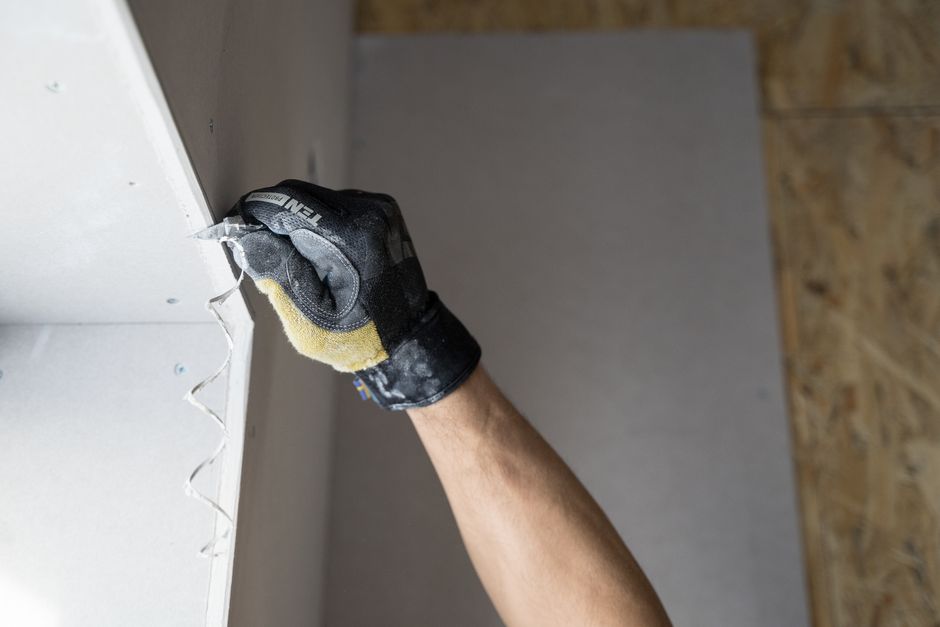
Preparing for a home repair project includes considering personal safety. Safety glasses protect eyes from flying debris, dust, or chemical splashes. Work gloves can prevent cuts and abrasions when handling rough materials or sharp tools. Dust masks or respirators are advisable when sanding, cutting, or working with materials that produce airborne particles.
Work area organization also plays a role in safety. Keeping tools clean and stored properly reduces the risk of accidents. A well‑lit workspace helps avoid mistakes and improves visibility for precise tasks. Extension cords should be rated for the tool’s power draw, and batteries should be charged according to manufacturer guidelines.
No tool set can eliminate all risks, and outcomes depend on the user’s preparation, technique, and the specific project conditions. Taking the time to understand each tool’s intended use and limitations, along with maintaining a clean and focused work environment, supports safer and more efficient home repairs.